Sneakers are built for sport: lots of cushioning, a stiff structure and laces. Sock shoes like COOPS are built for everyday life: a flexible knit upper, a light rubber outsole, no laces, and in our case you can machine wash the whole thing. For running and court sports, wear sneakers. For the hours around the house, errands, travel and the pair you change into, sock shoes are often the more comfortable choice.
We’re not going to tell you to throw out your running shoes. If you run, play pickleball or do anything with quick side-to-side moves, wear shoes made for it. But most of the hours we spend on our feet aren’t sport. They’re kitchen, desk, school pickup, airport, grocery store. For those, the gap between “something on your feet” and “a full sneaker” is where sock shoes come in.
What is a sock shoe?
A sock shoe is exactly what it sounds like: a knit upper that fits like a sock, attached to a sole you can walk outside on. Some are basically a sock with rubber dots on the bottom. COOPS sit at the shoe end of that range. The upper is knit from bamboo, merino wool and a cooling yarn, there’s a contoured footbed with built-in arch support, and the outsole is real rubber with tread.

Sock shoes vs sneakers, side by side
 COOPS sock shoes COOPS sock shoes
|
Typical sneakers | |
|---|---|---|
| Upper | Stretch knit, no stiff panels | Mesh or leather with overlays and a heel counter |
| Getting them on | Slip on, no laces | Laces, often untied and retied |
| Feel underfoot | Light and flexible, with arch support | Thicker cushioning, firmer structure |
| Weight and packing | Light, squash into a bag | Heavier, keep their shape in a suitcase |
| Cleaning | Whole shoe goes in the washing machine | Usually spot clean only |
| Indoors | Quiet and soft enough to wear all day at home | Fine, but you’ll want to take them off |
| Best for | Home, errands, travel, recovery, long days | Running, gym, court sports, long hikes |
| Water | Waterproof rubber sole; the knit upper isn’t waterproof | Varies; some are fully waterproof |
Are flexible shoes bad for your feet?
This comes up a lot, usually from people who’ve been told they need maximum cushioning. The research is more interesting than that. In a randomized study of 57 runners, eight weeks of gradually walking in flexible minimalist shoes made their foot muscles bigger and stronger, about as much as a dedicated foot-exercise program did.1 A later review of nine studies came to a similar, cautious conclusion.2 That doesn’t mean everyone should ditch cushioned shoes, and COOPS aren’t minimalist shoes (they have a contoured footbed and arch support), so we’re not claiming they’ll strengthen anything. It does suggest a flexible shoe isn’t something to be afraid of.
Comfort also turns out to be personal. Biomechanics researcher Benno Nigg and colleagues have proposed that, for runners at least, picking the shoe that feels most comfortable is a sensible way to choose.3 It’s a hypothesis, not a rule, but it matches what most of us already know. So if a sneaker feels like a cast by the end of the day, that’s worth listening to.


When should I wear sneakers instead?
Be honest about what you’re doing that day.
- Running and training. Wear your running or training shoes. Change into COOPS after. That’s what our post-workout page is about.
- Long hikes and rough trails. You want a stiffer sole and a more protective upper.
- Rain and puddles. The rubber sole keeps water out from below, but the knit upper breathes, which means water gets in through the top.
- Jobs with safety rules. If your workplace needs protective or slip-rated footwear, wear that on shift. COOPS are for after.
When are sock shoes the better pick?
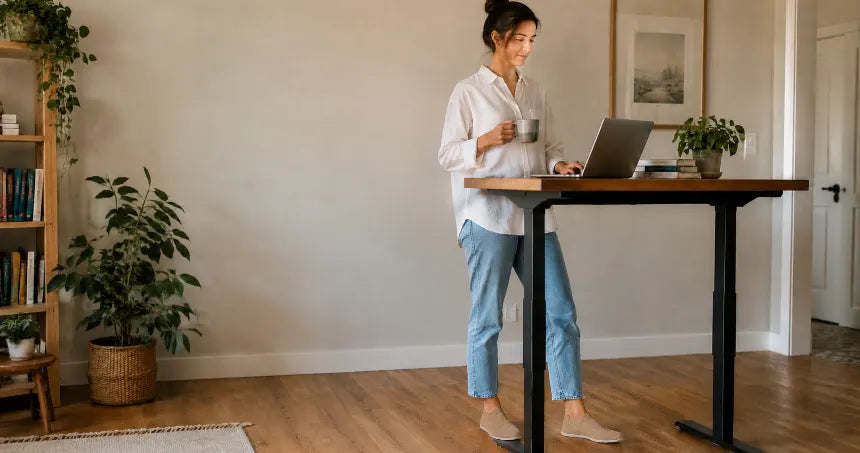
- Working from home. Something real on your feet that’s quiet on hardwood and ready for the mailbox. See our guide to shoes for working from home.
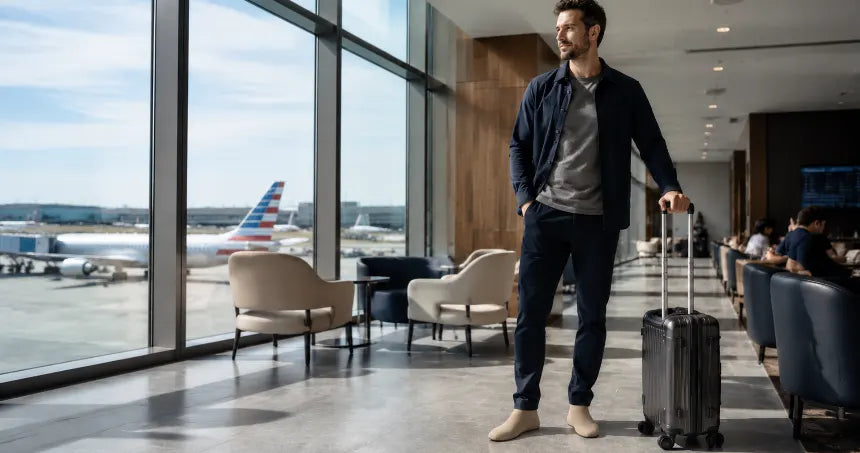
- Travel days. Slip them off at security, back on in seconds, and they pack flat. More in our travel shoes post.
- Around the house and yard. Kitchen, garage, driveway, back in. Indoor-outdoor house shoes.
- After a long shift. The softer pair you change into. Shoes for after a long day on your feet.
Do I need both?
Probably, and that’s fine. Think of it as one pair for the workout and one pair for the rest of the day. If COOPS end up being the rest of your day, a second color is cheaper: two pairs are US$60 each, and four or more are US$50 each.